Ensuring Safety with Comprehensive Property Inspections
When it comes to owning or buying a property, safety is a top priority. A thorough understanding of the property's condition can prevent costly repairs and protect your investment. This is where comprehensive property inspections come into play. They provide detailed insights into the state of a building, highlighting potential risks and maintenance needs. In this article, we will explore the importance of property inspection details, what they cover, and how they contribute to a safer living environment.
Understanding Property Inspection Details
Property inspection details refer to the specific findings and observations made during a professional examination of a building. These details cover various aspects of the property, including structural integrity, electrical systems, plumbing, roofing, and more. Inspectors use their expertise to identify issues that may not be visible to the untrained eye.
For example, a property inspection might reveal hidden water damage behind walls, faulty wiring that poses a fire risk, or foundation cracks that could compromise stability. These insights allow homeowners or buyers to make informed decisions, negotiate repairs, or plan for future maintenance.
A typical property inspection report includes:
A summary of the overall condition
Detailed notes on each inspected area
Photographs illustrating key issues
Recommendations for repairs or further evaluation
By paying close attention to these details, you can ensure that your property remains safe and well-maintained.

Why Property Inspection Details Matter
Knowing the exact condition of a property is crucial for several reasons. First, it helps prevent accidents caused by unnoticed hazards. For instance, faulty electrical wiring can lead to fires, while structural weaknesses might cause parts of the building to collapse.
Second, property inspection details protect your financial interests. Identifying problems early can save you from expensive emergency repairs later. It also gives you leverage when negotiating the price of a property, as you can request repairs or discounts based on the inspection findings.
Third, inspections contribute to peace of mind. When you understand the state of your property, you can plan maintenance schedules and upgrades confidently. This proactive approach extends the life of your home and enhances its value.
Finally, some insurance companies require detailed inspection reports before issuing or renewing policies. Having a comprehensive inspection can simplify this process and ensure you get the coverage you need.
Each type of inspection provides valuable information. Sometimes, a comprehensive inspection will include all four, while in other cases, you may need to request specific inspections based on your concerns.

How to Prepare for a Property Inspection
Preparing for a property inspection can make the process smoother and more effective. Here are some practical steps to take:
Clear Access Areas: Ensure that inspectors can easily access basements, attics, crawl spaces, and utility rooms. Remove clutter or obstacles that might block their view.
Provide Documentation: Gather any previous inspection reports, repair records, or warranties related to the property. This information helps inspectors understand the property's history.
List Concerns: Write down any specific issues you have noticed, such as strange noises, leaks, or electrical problems. Sharing these with the inspector can guide their focus.
Be Present: If possible, attend the inspection. This allows you to ask questions and get immediate explanations about findings.
Schedule Appropriately: Choose a time when the property is well-lit and accessible. Avoid scheduling during bad weather or when the property is occupied by many people.
By following these steps, you help ensure that the inspection is thorough and that you receive clear, actionable property inspection details.
Taking Action After Receiving Inspection Details
Once you have the inspection report, the next step is to act on the information. Here are some recommendations:
Review the Report Carefully: Read through all sections and look at the photos. Understand the severity of each issue.
Prioritize Repairs: Focus first on safety-related problems, such as electrical hazards or structural damage. Then address maintenance issues that could worsen over time.
Get Professional Quotes: For repairs, seek estimates from qualified contractors. This helps you budget and plan effectively.
Negotiate if Buying: Use the inspection details to negotiate repairs or price adjustments with the seller.
Schedule Follow-Up Inspections: If the report suggests further evaluation by specialists, arrange these promptly.
Maintain Records: Keep the inspection report and repair receipts for future reference or resale purposes.
Taking these steps ensures that the property remains safe and that you maximize the value of your investment.
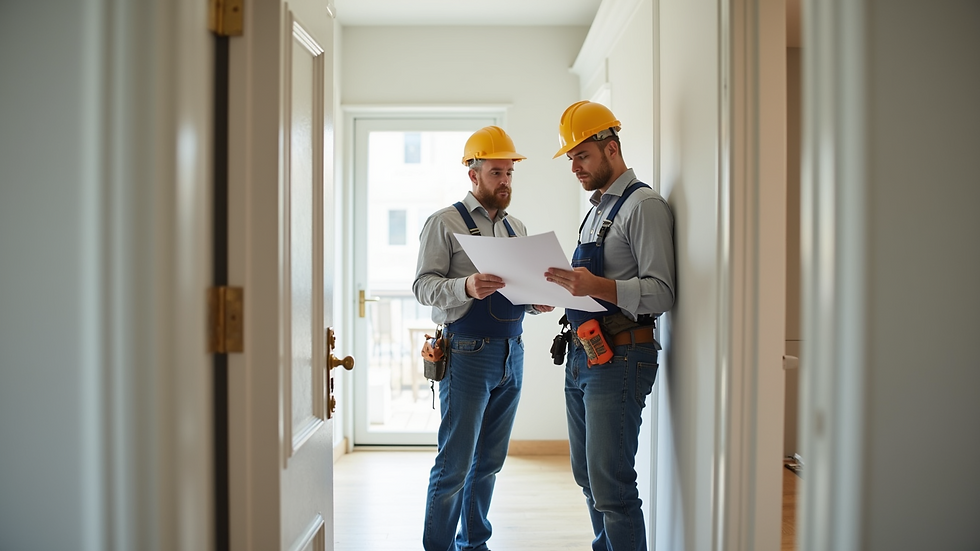
For those seeking professional help, consider engaging property inspection services to get expert evaluations and detailed reports. These services provide peace of mind and help you make informed decisions about your property.
Building a Safer Future with Regular Inspections
Safety is not a one-time concern. Properties age, systems wear out, and new risks can emerge. Regular inspections are essential to keep your home or building safe over time.
Scheduling inspections every few years, or after major events like storms or renovations, helps catch problems early. It also supports ongoing maintenance, which preserves the property's condition and value.
Remember, a well-maintained property is a safer property. By investing in comprehensive inspections and acting on the details, you protect your family, your finances, and your peace of mind.
Taking the time to understand and act on property inspection details is a wise step toward a secure and comfortable living environment. Whether you are buying, selling, or maintaining a property, thorough inspections provide the knowledge you need to make confident decisions.


Comments