The Importance of Pre-Purchase Home Inspections
Updated: Oct 14, 2025
Buying a home is one of the most significant investments you will make in your lifetime. It is a process filled with excitement, anticipation, and sometimes, uncertainty. One crucial step that can help ease this uncertainty is to inspect a home before buying. This step ensures you know exactly what you are getting into and can save you from costly surprises later on.

Why You Should Inspect a Home Before Buying
When you decide to purchase a property, it is easy to get caught up in the aesthetics and location. However, the true condition of the home is what matters most. A thorough inspection reveals the state of the structure, systems, and potential issues that may not be visible to the untrained eye.
Here are some reasons why inspecting a home before buying is essential:
Identify hidden problems: Issues like faulty wiring, plumbing leaks, or structural damage can be costly to repair.
Negotiate better deals: Knowing the home's condition gives you leverage to ask for repairs or price reductions.
Plan for future expenses: Understanding what needs maintenance or replacement helps you budget accordingly.
Ensure safety: Detecting hazards such as mold, asbestos, or carbon monoxide risks protects your family’s health.
Taking the time to inspect a home before buying is a smart move that can save you money and stress in the long run.
How to Effectively Inspect Home Before Buying
A home inspection is more than just a quick walkthrough. It requires a detailed examination of various components of the property. Here’s how to approach it effectively:
Hire a professional inspector: Choose a professional with experience and good reviews.
Attend the inspection: Being present allows you to ask questions and see issues firsthand.
Focus on key areas:
Roof and gutters
Foundation and basement
Electrical and plumbing systems
Heating systems
Windows and doors
Request a detailed report: The inspector should provide a written summary with photos and recommendations.
Follow up on concerns: If major problems are found, consider getting specialist assessments or repair estimates.
Remember, a thorough inspection is your best tool to make an informed decision.

What is the Biggest Red Flag in a Home Inspection?
Among the many issues a home inspection can uncover, some stand out as major red flags. The biggest red flag is often structural damage. This includes cracks in the foundation, uneven floors, or walls that bow or lean. Structural problems can indicate serious underlying issues that may require expensive repairs or even make the home unsafe.
Other significant red flags include:
Water damage and mold: Signs of leaks or moisture can lead to health problems and costly remediation.
Electrical hazards: Outdated or faulty wiring poses fire risks.
Roof problems: A damaged or aging roof can lead to leaks and interior damage.
Pest infestations: Termites or rodents can cause extensive damage if not addressed.
If any of these red flags appear during your inspection, it is crucial to weigh the risks carefully before proceeding with the purchase.
What to Do After a Home Inspection
Once the inspection is complete, you will have a clearer picture of the home's condition. Here are practical steps to take next:
Review the inspection report carefully: Understand the severity of each issue.
Discuss findings with your real estate agent: They can help you negotiate repairs or price adjustments.
Get repair estimates: Contact contractors to find out how much fixing problems will cost.
Decide whether to proceed: Based on the inspection and repair costs, decide if the home is still a good investment.
Schedule necessary repairs: If you move forward, prioritize urgent repairs for safety and comfort.
Taking these steps ensures you make a well-informed decision and avoid unexpected expenses.
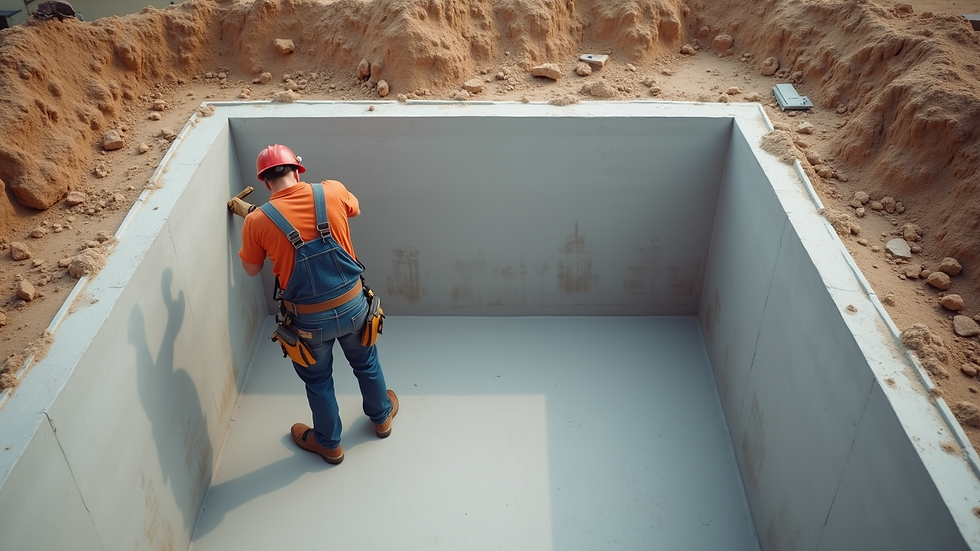
How a home inspection before purchase Protects Your Investment
A professional home inspection before purchase is a vital safeguard. It protects your investment by revealing the true condition of the property. This knowledge empowers you to:
Avoid buying a home with hidden defects.
Negotiate repairs or price reductions.
Plan for future maintenance and upgrades.
Ensure the home is safe for you and your family.
In essence, a home inspection is a small price to pay for peace of mind and financial security.
Taking the Next Step with Confidence
Buying a home is a major milestone. By choosing to inspect a home before buying, you take control of the process. You gain valuable insights that help you make smart decisions. Whether you are a first-time buyer or experienced homeowner, a thorough inspection is a wise investment.
Remember, the goal is to find a home that is not only beautiful but also safe, sound, and good value. With the right inspection, you can move forward confidently, knowing you have done your due diligence.
Take the time to schedule a professional inspection and protect your future. It is a step that every homebuyer should never skip.


Comments